
Excellent 4.7 out of 5
First Aid & Health
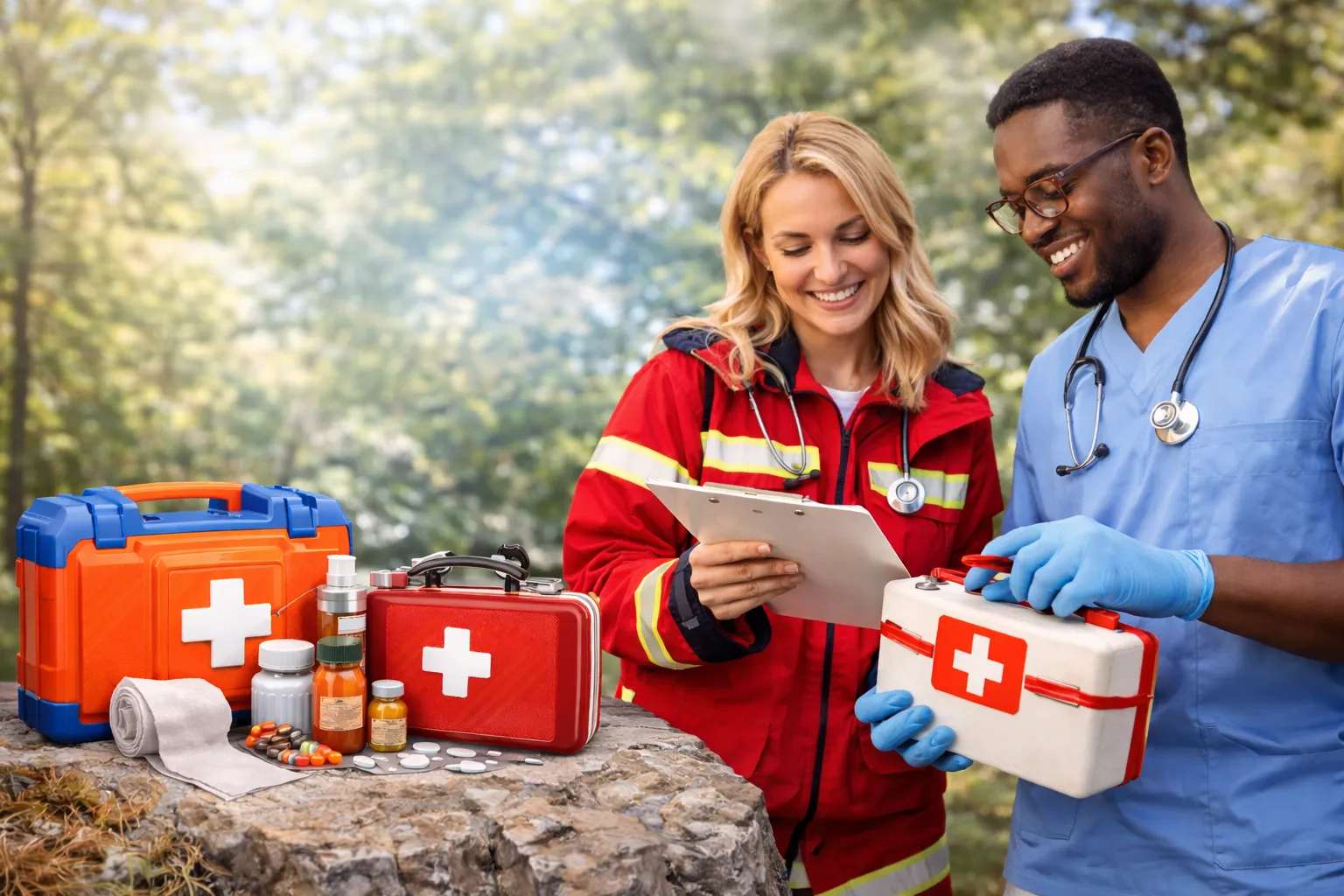
Maintaining your health is the single most important factor for a successful Himalayan journey. From assembling a specialized medical kit to mastering high-altitude hygiene, our comprehensive health guide provides the essential knowledge and preparation strategies needed to stay energized and resilient on the Gokyo trail.
Trusted by 121,3k+ users
Health & Well-being
Staying healthy is the most important factor in a successful trek. The combination of high altitude, physical exertion, and a different diet can be challenging for your body. Proper preparation and a well-stocked first aid kit are essential.
Medication
- Diamox (Acetazolamide)
- Ibuprofen/Paracetamol
- Imodium (Anti-diarrheal)
- Ciprofloxacin (Antibiotic)
- Oral Rehydration Salts
First Aid
- Blister Bandages (Compeed)
- Sterile Gauze & Tape
- Antiseptic Wipes
- Elastic Bandage
- Thermometer
Personal Hygiene
Most illnesses on the trail are related to poor hygiene. Always wash your hands or use sanitizer before every meal. Avoid tap water and stick to purified or boiled water.
Health Tips
Listen to Your Body
Do not ignore minor symptoms. They can escalate quickly at altitude.
Stay Hydrated
Drink 3-4 liters of water daily to help your body adjust.
Eat Well
Maintain your energy levels with high-carb meals like Dal Bhat.
Rest & Recover
Get plenty of sleep and do not push yourself too hard.
Disclaimer: This information is for educational purposes only. Consult your doctor before your trip for personalized medical advice.
Frequently Asked Questions
Everything you need to know before you hit the trail
Yes, it is mandatory. Your insurance must specifically cover trekking up to 6,000m and include emergency helicopter evacuation.
Common Questions
Q: Why choose Gokyo over Everest Base Camp?
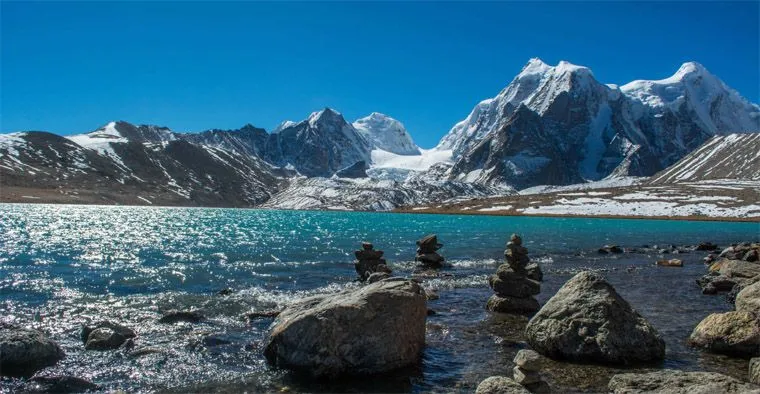
Gokyo offers superior panoramic views (4 of the 14 highest peaks), pristine turquoise lakes, and significantly fewer crowds than the main EBC highway, providing a more serene and authentic experience.
Q: What fitness level is required for trekking in Nepal?
A moderate to high level of fitness is required. You should be comfortable walking 5-7 hours a day with a light pack. Cardiovascular training and leg strength are key preparations.
Q: What happens if I get altitude sickness?
Our guides are trained to spot early AMS symptoms. The primary protocol is to stop ascending, hydrate, and if symptoms worsen, descend immediately. Helicopter evacuation is available for emergencies.
Booking
Q: How far in advance should I book my trek?
We recommend booking 3-6 months in advance, especially for peak seasons (Spring and Autumn), to ensure flight availability to Lukla and the best teahouse accommodations.
Q: What is your cancellation and refund policy?
We offer a full refund for cancellations made 30 days prior to departure. Cancellations within 14 days are subject to a 50% fee. We recommend travel insurance to cover unexpected cancellations.
Preparation
Q: Is there WiFi and electricity on the trail?
Yes, most teahouses offer WiFi (via AirLink or EverestLink cards) and charging stations for a small fee ($3-$7). Note that reliability decreases as you go higher.
Q: How much extra cash should I bring?
We recommend $25-$40 USD per day for personal expenses like snacks, hot showers, charging, WiFi, and tips for your crew.
Safety
Q: Does my insurance need to cover helicopter rescue?
Yes, it is mandatory. Your insurance must specifically cover trekking up to 6,000m and include emergency helicopter evacuation.
Q: Is the water safe to drink?
We do not recommend drinking tap or stream water. Use water purification tablets, filters, or purchase boiled water at teahouses to stay safe.
Permits
Q: What specific permits are required for Gokyo?
You need the Khumbu Pasang Lhamu Rural Municipality Permit and the Sagarmatha National Park Entry Permit. We handle all paperwork for our trekkers.
Q: Do I need a guide for this trek?
As of 2023, the Nepal government has made it mandatory for solo trekkers to hire a licensed guide in the Everest region for safety and environmental protection.
Q: What is the luggage limit for the Lukla flight?
The weight limit is 15kg total per person (10kg for checked bag, 5kg for hand carry). Extra weight can be paid for but is not guaranteed to fly on the same plane.
Need a custom itinerary?
We can design a trip tailored specifically to your needs, fitness level, and schedule. It only takes 2 minutes to start.